
Brandset: AI Marketing For People Who Don’t Want To Become Technicians

Brandset is an AI marketing platform for small businesses, unifying website, email, CRM, and brand tools to reduce technical work and simplify consistent marketing.

Brandset: AI Marketing For People Who Don’t Want To Become Technicians
Brandset TeamBrandset Team12 min de leitura

Marketing software was supposed to remove technical work. For many small businesses, it simply moved the technical work somewhere else.

Brandset is an AI marketing platform built for freelancers, solopreneurs, small businesses, and small teams that want to create and manage marketing without becoming specialists in a dozen separate tools.

A website builder solves one problem. An email platform solves another. Then come forms, CRM, automation, design, social content, analytics, SEO tools, AI writing apps, integrations, and the documentation required to make all of them cooperate.

Each decision is reasonable on its own. The accumulated result often is not.

The person who wanted to market a business ends up maintaining a marketing stack.

Brandset starts from the position that this overhead should be designed out wherever possible.

Small Businesses Have Become Accidental Marketing Operations Teams

Consider an independent consultant launching a new service.

The actual marketing job is fairly easy to describe: create a page explaining the offer, collect interested leads, follow up by email, keep track of those leads, publish a few pieces of content about the problem, make everything look and sound like the same business.

The software version can be very different. Build the page in one product. Create the form somewhere else. Connect it to an email platform. Send the contact into a CRM. Create an automation between them. Copy the brand colors into another template. Rewrite AI-generated copy because the writing tool has no idea how the company normally sounds. Then document enough of the setup that someone can figure it out again six months later.

The consultant has not become better at marketing. They have become the systems administrator for their own marketing.

For a company with a dedicated marketing operations team, that trade can make sense. Specialized software can provide tremendous depth. A five-person company has a different constraint. Every hour spent maintaining the system is an hour the same small group cannot spend talking to customers, improving the product, making creative decisions, or actually publishing the campaign.

Complexity has a real operating cost even when the software itself is inexpensive.

AI Added Another Interface to Learn

Generative AI removed a lot of blank-page work. It also introduced a new problem: getting useful output often requires the user to supply the context the machine does not have.

Open a general-purpose AI tool and ask it to write a landing page for your business. The model still needs to know the business. Who is the customer? What are you selling? How do you position it? What do you believe? What should the brand sound like? Which claims should it avoid? What terminology do customers use? What visual identity should accompany the copy?

Experienced AI users learn to pack that information into prompts, project instructions, reference documents, custom agents, or reusable workflows. That can work extremely well. It is still work.

A bakery owner should not need a personal prompt library before writing a promotion for Saturday. A freelance designer should not need to reconstruct their positioning every time they ask AI for landing-page copy. A small agency should not have to remind five different tools what each client brand sounds like.

Better prompting can improve an isolated AI interaction. Brandset takes a different approach to the recurring context behind those interactions.

"No Prompt Engineering" Does Not Mean "No Input"

There is an important distinction here. AI cannot know what your business is trying to accomplish without information. Brandset does not eliminate that information. It organizes it.

The Brand Center stores context such as visual identity, colors and typography, brand voice, positioning, audience information, ICP and personas, products and services, and other brand guidelines and references.

That context can then inform marketing creation across the platform. You define the business once in a structured place instead of trying to recreate the entire business inside every new prompt. When you ask for email copy, the starting context is already richer. When you create a website or landing page, the brand does not have to begin as a collection of arbitrary defaults. When you produce social content, the AI has more to work with than a sentence saying "make this sound professional."

You still make decisions. You still edit. You still tell the system what you are trying to create. The recurring setup becomes smaller because part of the context already exists.

That is what Brandset means when it talks about reducing prompt engineering.

Brand Context Should Survive the Tool You Are Using

Brand consistency is often treated like a design problem. In practice, it is also an information problem.

A company defines its positioning in a strategy document. Its colors live in a design tool. The website contains one version of the messaging. The email platform contains another. The AI writing tool starts with none of them. The social scheduler knows only what was pasted into the latest post. Consistency then depends on whoever is working that day remembering the right source.

Brandset's Brand Center gives that context a more permanent home. That changes the role of AI. Instead of asking a blank model to invent what your brand might sound like, the platform can use information you have already defined as a starting point.

The practical goal is not to make every piece of marketing identical. A sales email should not read like a homepage. A social post should not have the same structure as a landing page. Consistency means the pieces come from the same business even when the formats change.

One Workspace Changes More Than the Number of Tabs

Putting several marketing functions under one login is convenient. The more interesting benefit is reducing the number of times a small team has to reconstruct context.

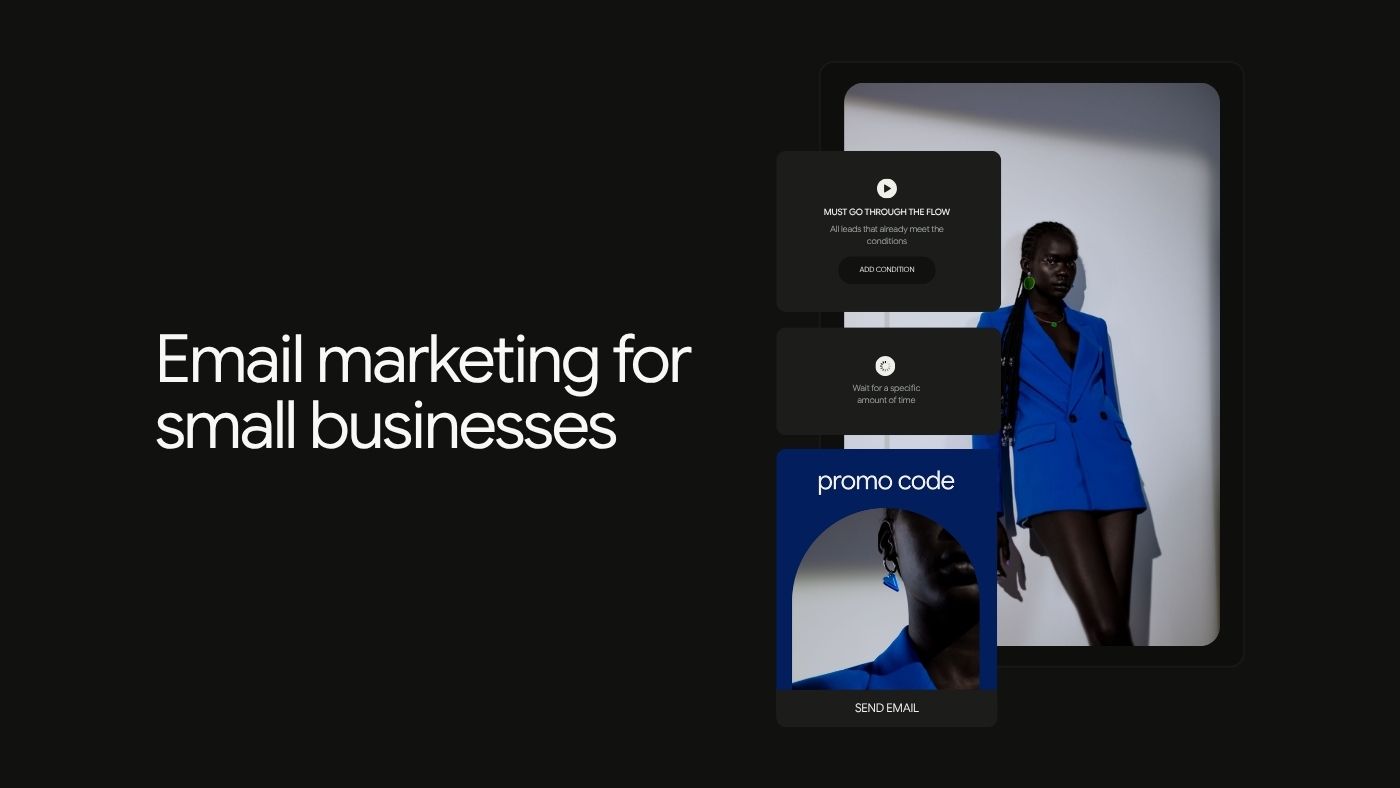
Brandset brings together areas including Website Builder, Landing Pages, Forms, Popups, Email Marketing, CRM, marketing automations, Brand Center, Design Studio, social content, and SEO, AEO, and GEO-related publishing capabilities.

The automation builder is still expanding, and Brandset does not try to replace every specialist tool available. That is intentional. The product is designed around the recurring marketing work a small business needs to get done without requiring a specialized operator for every function.

Consider the consultant launching that new service again. The important questions become: What is the offer? Who is it for? What should the landing page say? What information should the form collect? What should happen after someone becomes a lead? What should the next email help them understand?

Those are marketing questions. They are much more valuable than spending half the afternoon deciding how two field names should map between unrelated systems.

A Website Should Start With the Business, Not the Builder

Traditional website builders have made publishing a site dramatically easier than writing HTML by hand. They still usually begin with one of two things: a blank canvas or a template. Both place a significant amount of translation work on the user.

Select the layout. Replace placeholder copy. Adjust colors. Choose typography. Rewrite sections. Figure out SEO fields. Repeat the process until the template looks less like the template and more like your company.

Brandset can use the context in the Brand Center when helping generate and customize the website. The first version is a starting point, not a finished strategy. But starting from your positioning, your audience, your brand voice, and your colors is materially different from starting with placeholder text and a stock photography layout.

The same principle carries into landing pages. A campaign page still needs a clear offer. AI does not decide whether that offer is good. It can reduce the mechanical work between the idea and a usable first version.

Email Works Better When It Knows the Same Business as the Website

Disconnected systems create strange customer experiences. A visitor sees one tone on the website. They subscribe. The welcome email looks like a different company. The CRM contains little information about why they signed up. Three weeks later, they receive a generic campaign disconnected from the original reason they joined.

None of these problems is technically difficult to solve. They happen because context gets lost between tools.

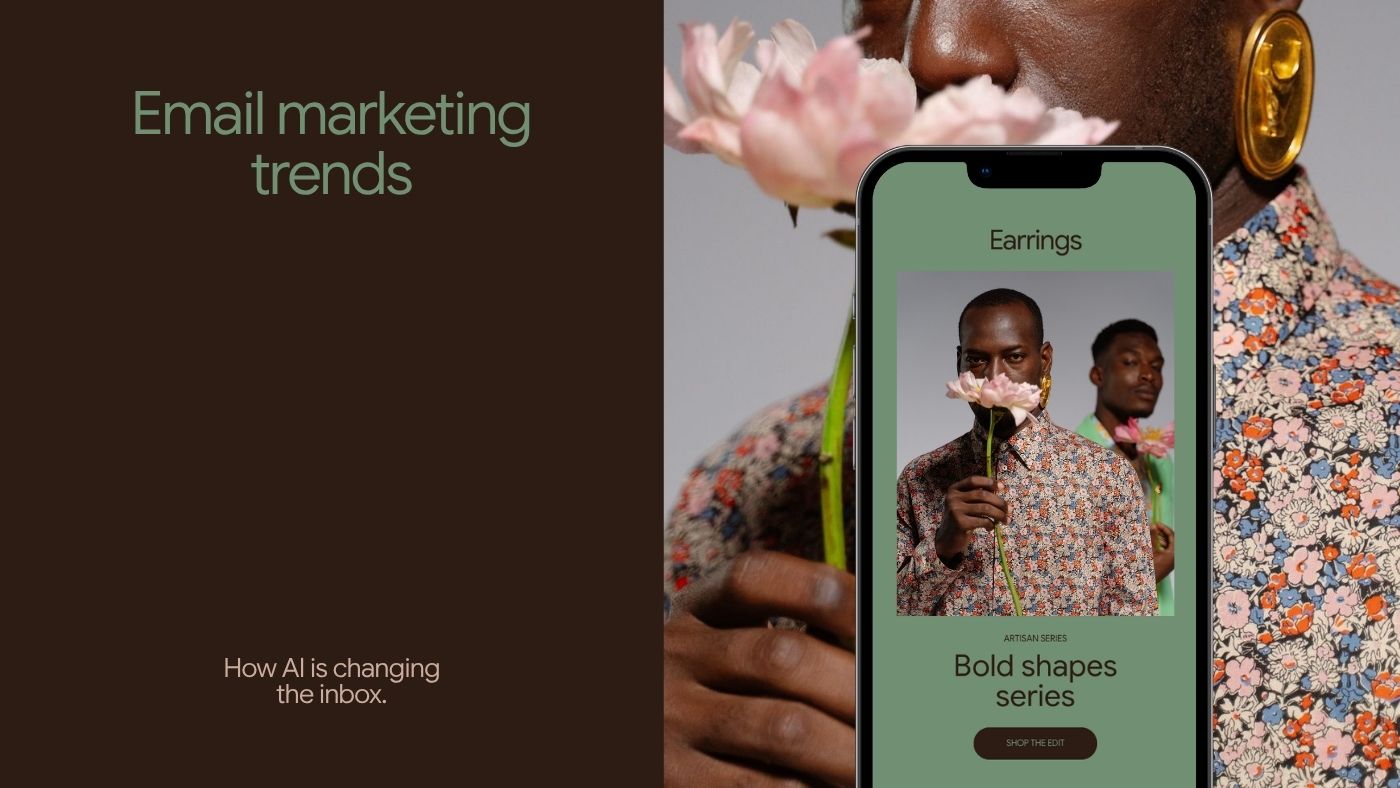
Keeping email marketing, forms, CRM, landing pages, and brand information closer together gives a small team fewer places to lose that context. The email still needs a reason to be sent. The audience still needs to have consented. The sender still owns list quality, relevance, cadence, and the relationship with subscribers.

AI cannot automate good judgment. It can make the execution around that judgment less repetitive.

Automation Should Feel Like a Business Rule, Not Programming

Marketing automation becomes intimidating when a simple idea turns into a diagram that looks like software architecture.

For most small businesses, the first useful workflows are straightforward. Someone subscribes — send the promised welcome email. Someone becomes a customer — stop treating them like a prospect. A new lead enters the CRM — make sure the appropriate follow-up process can begin.

A workflow should be explainable in normal language before anyone builds it. Brandset's automation builder is growing around this kind of connected marketing work. The goal is not to turn a small-business owner into a more efficient automation engineer. The goal is to remove repetitive work from processes the business already understands.

If the underlying process makes no sense manually, automating it will not improve the strategy.

AI Should Reduce Production Work Without Taking Over the Decision

There is an easy way to oversell AI marketing: describe a future where the business presses a button and marketing simply happens. That is not the model Brandset is built around.

Someone still decides what the business believes. Someone still chooses the offer. Someone still decides whether a campaign deserves to be sent. Someone still looks at a generated landing page and says, "That is not how we would explain this." Someone still understands the customer better than a model does.

Brandset is useful because many steps after those decisions can become faster and more organized. Generate a first draft. Apply established brand context. Build inside a visual editor. Keep related marketing work closer together. Reuse what the business already knows instead of starting over.

AI provides leverage. The user keeps judgment.

SEO, AEO, and GEO Should Start With Clear Content

Search has become another area where small-business owners are often told they need to become technicians. Schema. Metadata. Semantic structure. Internal linking. Answer formats. AI citations. Search-engine guidelines.

Some of this matters. Most small-business owners should not spend their week thinking about markup.

Brandset approaches search through the publishing structure itself and through tools that help businesses create clearer, organized content for traditional search and AI-driven discovery.

There is an important limit worth stating plainly: no platform can guarantee a Google ranking, a featured answer, or a citation from ChatGPT, Gemini, Perplexity, or another AI system. Those systems make their own decisions about what to rank, retrieve, summarize, or cite.

The useful job for Brandset is reducing the technical and editorial friction required to publish content that is clear, structured, specific, and easier for search and answer systems to interpret. The business still has to say something worth finding.

Who Benefits Most From This Approach

Brandset is built around a constraint more than an industry. The constraint is limited marketing capacity.

A freelancer may be strategist, copywriter, designer, and salesperson before lunch. A solopreneur may understand the business deeply but have no interest in learning six marketing platforms. A company with eight people may need a professional marketing operation without being able to hire specialists for email, CRM, design, content, and marketing operations. A small agency may need to keep several client brands organized without rebuilding the same operating structure for each one.

These people need capability. They also need software that respects the fact that operating software is not their primary job.

There are companies for which Brandset will be the wrong choice. A larger organization with dedicated specialists may prefer a collection of deeper, best-in-class products and have the resources to connect and maintain them. A development team building a complex application needs development infrastructure, not a small-business marketing platform. A marketing operations department that wants hundreds of specialized integrations may prioritize breadth of configuration over simplicity.

Brandset does not need to be all of those products. Its job is narrower: make serious marketing more manageable for the people who are currently doing too much of it themselves.

The Better Test for Marketing Software

Before adding another tool, ask what new job the tool creates.

Does the new email platform require a separate contact database? Will the automation tool need someone to maintain workflows? Do brand settings need to be recreated? Will AI need the same context pasted into another interface? Who notices when the integration stops working? Who owns the system six months from now?

Software can save five minutes inside a task while quietly adding two hours of maintenance somewhere else. Small teams feel that trade sooner than large ones.

Brandset was built around the opposite ambition: keep more of the recurring marketing work, brand context, and customer context organized closely enough that the person using it can spend more time deciding what to say and less time figuring out which system needs to be configured first.

Marketing still requires skill. It just should not require you to become the technician for your own marketing stack.

Start your 7-day free trial →

FAQ - Perguntas frequentes